
Coping with Burnout: Understanding the Causes and Prevention Strategies
Workplace Wellness In today’s fast-paced world, burnout has become too common. Many people feel exhausted, physically and emotionally drained from chronic work-related stress. By understanding the root causes and implementing self-care practices, you can protect yourself from burnout and promote a healthier, more balanced lifestyle. Key Takeaways Burnout is a state of chronic physical and […]
Workplace Wellness
In today’s fast-paced world, burnout has become too common. Many people feel exhausted, physically and emotionally drained from chronic work-related stress. By understanding the root causes and implementing self-care practices, you can protect yourself from burnout and promote a healthier, more balanced lifestyle.
Key Takeaways
- Burnout is a state of chronic physical and emotional exhaustion caused by prolonged work-related stress.
- Key causes include excessive workload, lack of autonomy, work-life imbalance, and insufficient recognition.
- Prevention strategies focus on self-care, setting boundaries, seeking support, and managing stress through techniques like meditation and deep breathing.
- Taking care of your well-being is not a luxury, but a necessity for a healthier and more fulfilling life.
Causes of Exhaustion
a. Workload and high expectations
Excessive workload, unrealistic deadlines and constant pressure to meet high expectations increase burnout. Long work hours, overwhelming responsibilities leaves people feeling empty and exhausted. What many startups do is to get the cash flow from financing activities, and then they spend this money on the operating and investing activities. They start to throw capital at the basics, with the view that to grow quickly, they need to get the talent and the people there to be able to deliver on the ambitions laid out in the business plan. But while you do need to “burn to grow,” you still need to keep a few things in mind.
b. Lack of leadership and autonomy
Feeling micromanaged or having little control over decision-making and work flow can lead to burnout. When people feel their independence is being suppressed, it reduces motivation and increases stress levels.
c. Work-life imbalance
Disregarding personal life and ignoring the boundaries between work and leisure can induce burnout. Without enough time to rest, relax and pursue personal interests, people become vulnerable to chronic stress.
d. Lack of support and recognition
Lack of support from supervisors or co-workers and lack of recognition of efforts can contribute to burnout. Feeling undervalued and unappreciated weakens morale and motivation.
| Cause | Impact |
|---|---|
| Workload & High Expectations | Physical and emotional exhaustion from unrealistic deadlines and constant pressure |
| Lack of Autonomy | Reduced motivation and increased stress from micromanagement |
| Work-Life Imbalance | Chronic stress from ignoring boundaries between work and leisure |
| Lack of Support & Recognition | Weakened morale and motivation from feeling undervalued |
Prevention Strategies
a. Make self-care a priority
Engage in activities that promote physical and mental well-being. Find time for movement, relaxation, hobbies and quality time with loved ones. Prioritizing self-care restores energy levels and promotes resilience.
b. Set boundaries
Set clear boundaries between work and personal life. Create your work and relaxation times and make sure you free yourself from work-related activities in your personal time.
c. Seek support and collaboration
Foster healthy relationships with colleagues and supervisors. Seek support when needed, talk about concerns and find solutions together.
d. Practice stress management techniques
Incorporate techniques such as deep breathing exercises or meditation into your daily routine. These practices help reduce stress, increase resilience and promote overall well-being.
e. Review workload and prioritize
Monitor your workload regularly and prioritize tasks based on importance and urgency. Delegate whenever possible and learn to say no to avoid overcommitment.
Burnout: Causes vs. Solutions
What Causes Burnout
- Excessive workload and unrealistic deadlines
- Micromanagement and lack of autonomy
- Ignoring work-life boundaries
- Feeling undervalued and unsupported
What Prevents Burnout
- Self-care: movement, relaxation, hobbies
- Clear boundaries between work and personal time
- Support networks and open communication
- Stress management and workload prioritization
Always remember that taking care of your well-being is not a luxury, but a necessity for a healthier and more fulfilling life!
Frequently Asked Questions
What are the main causes of burnout?
The main causes of burnout include excessive workload and high expectations with unrealistic deadlines, lack of leadership and autonomy where people feel micromanaged, work-life imbalance from ignoring boundaries between work and leisure, and lack of support and recognition from supervisors or co-workers.
What are the symptoms of burnout?
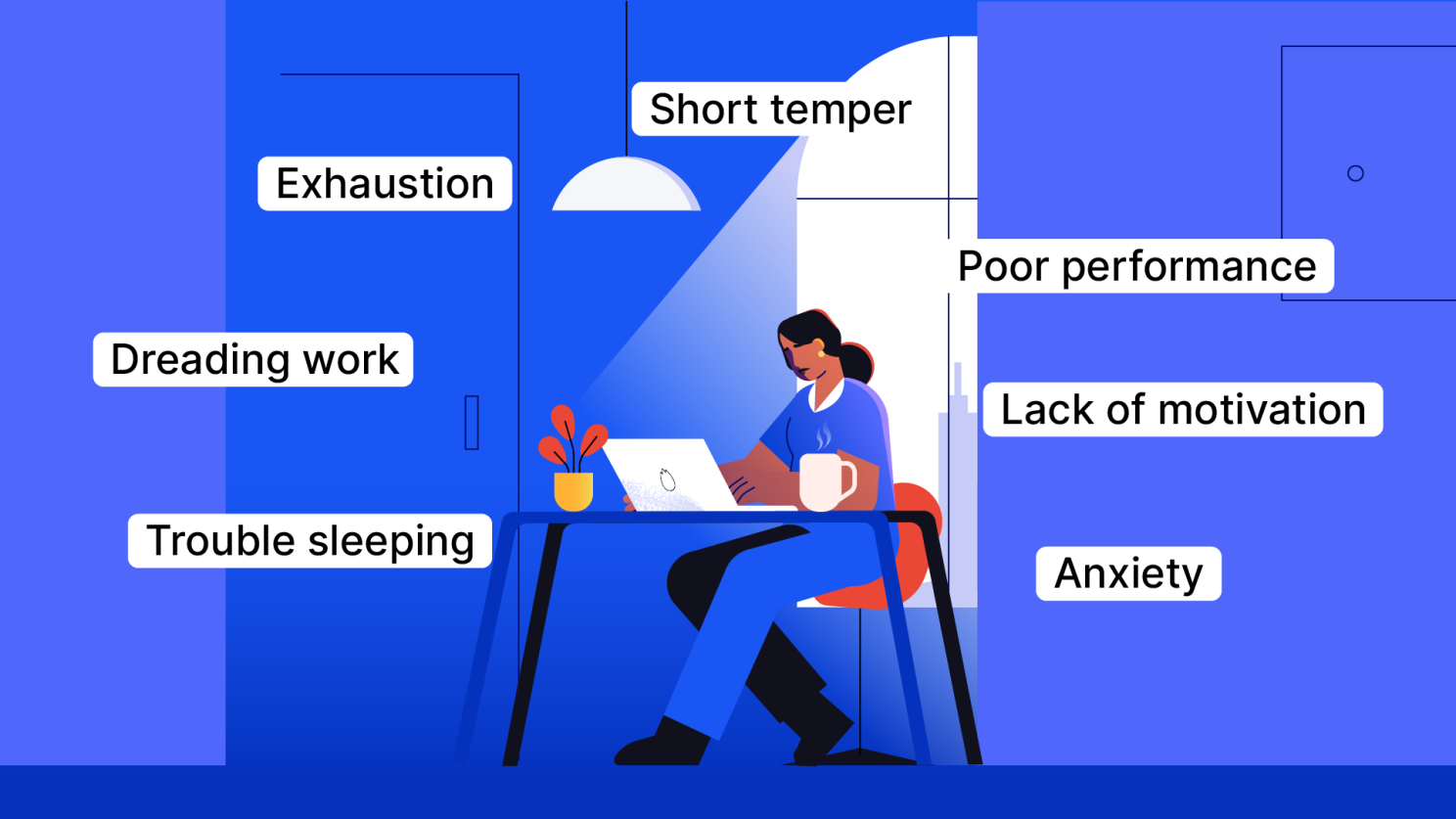
Burnout symptoms include feeling physically and emotionally exhausted, feeling empty and drained from chronic work-related stress, reduced motivation, and increased stress levels. These symptoms can affect both your professional performance and personal well-being.
How can you prevent burnout?
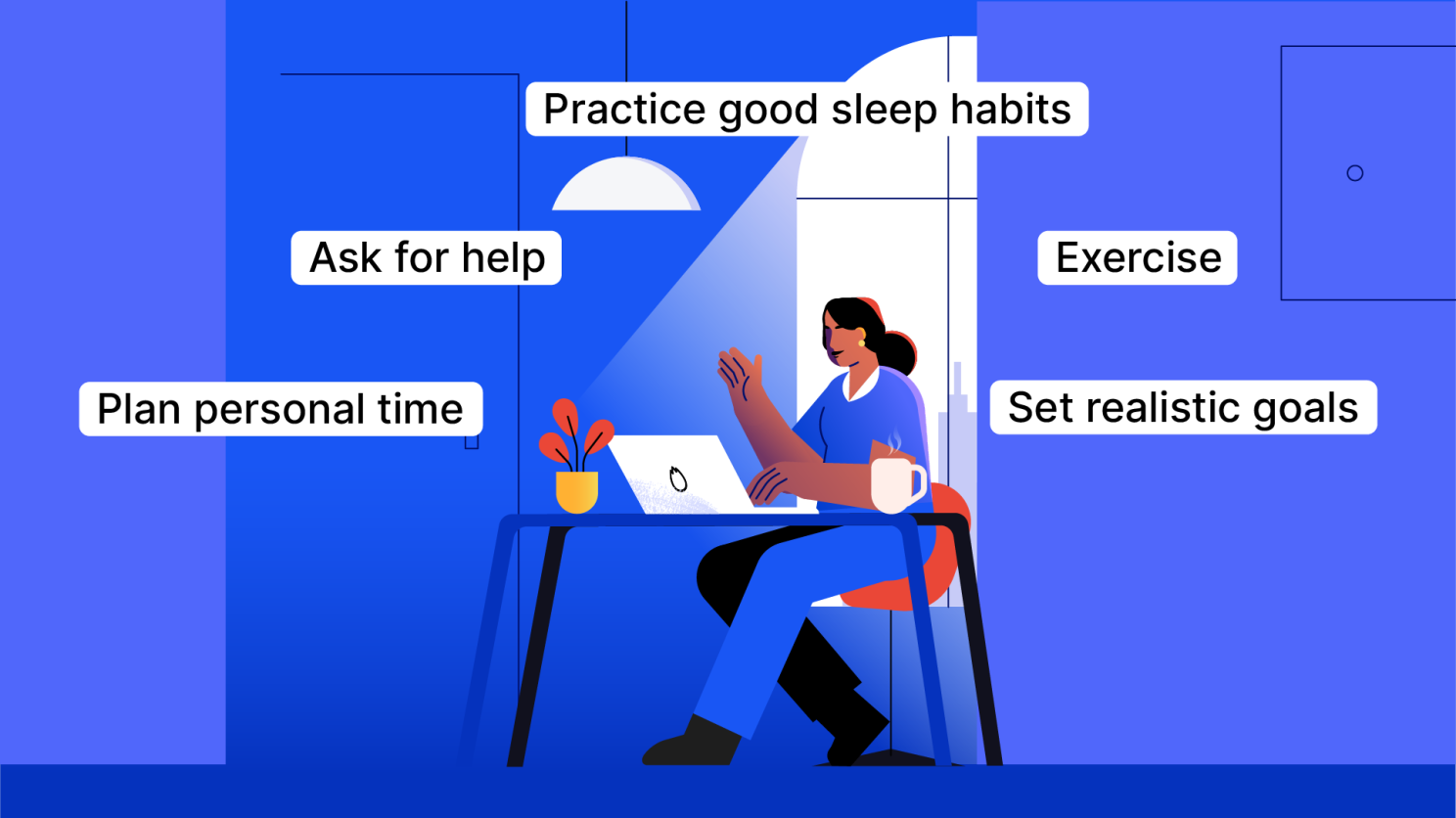
Burnout prevention strategies include making self-care a priority through movement, relaxation and hobbies; setting clear boundaries between work and personal life; seeking support and collaboration with colleagues; practicing stress management techniques like deep breathing and meditation; and regularly reviewing your workload to prioritize and delegate tasks.
How does work-life imbalance contribute to burnout?
Disregarding personal life and ignoring the boundaries between work and leisure can induce burnout. Without enough time to rest, relax and pursue personal interests, people become vulnerable to chronic stress, which leads to physical and emotional exhaustion.
Why is self-care important for preventing burnout?
Engaging in activities that promote physical and mental well-being restores energy levels and promotes resilience. Finding time for movement, relaxation, hobbies and quality time with loved ones is not a luxury but a necessity for maintaining a healthier and more fulfilling life.
